
Early College High School
Facility UpdatesEarly College High School is an open-enrollment, academically rigorous school that allows students to earn both a high school diploma and up to 60 college credits or an associate degree tuition-free. As Leander ISD works to design and build a permanent home for the program, preserving the heart of the ECHS experience — a tight-knit, small-school culture and strong college-level academic pathways — remains the central priority.
Building New Opportunities
Leander ISD is charting a new, sustainable path forward for Early College High School (ECHS), focusing plans on co-locating the campus with New Hope High School (NHHS) at the former Faubion Elementary site.
The new location, near Austin Community College’s Cypress Creek campus, will expand academic opportunities while providing ECHS students with a permanent, custom-designed learning environment. Specific opportunities, including the potential for a broader range of college-level course offerings, will be further explored and refined through continued planning and coordination with ACC.
ECHS and NHHS will share the same property and benefit from thoughtful connections between the programs, but each will continue to have its own distinct academic spaces, program identity and student experience.
District leaders plan to provide multiple ways for students, families and staff to be part of the planning process and help guide the vision for the new ECHS facility.
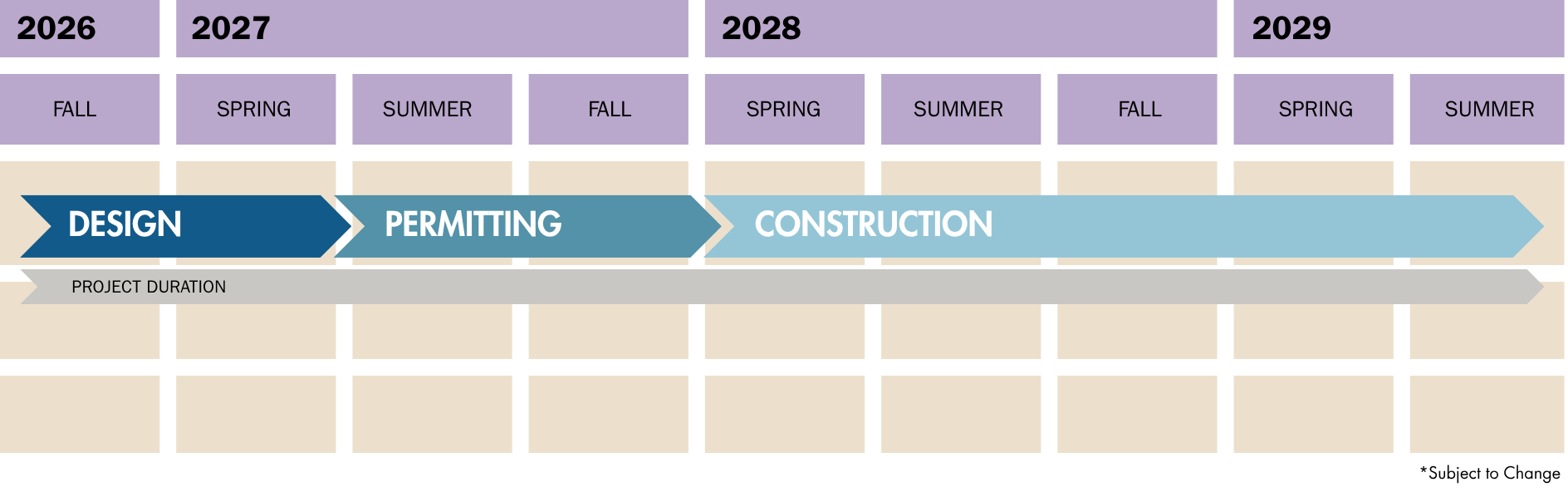
If the project advances on the current timeline, ECHS could open at the new location in August 2029.
ECHS will be located at 1209 Cypress Creek Rd. in Cedar Park, the former Faubion Elementary site.

Latest News
Oct. 28, 2026: ECHS Update: New Information Hub & Ways to Get Involved
Oct. 7, 2026: Leander ISD Envisions New Opportunities for Early College High School with Co-Location Plan
Oct. 1, 2026: Board Briefs: Discussion of Early College High School Location
How to Get Involved
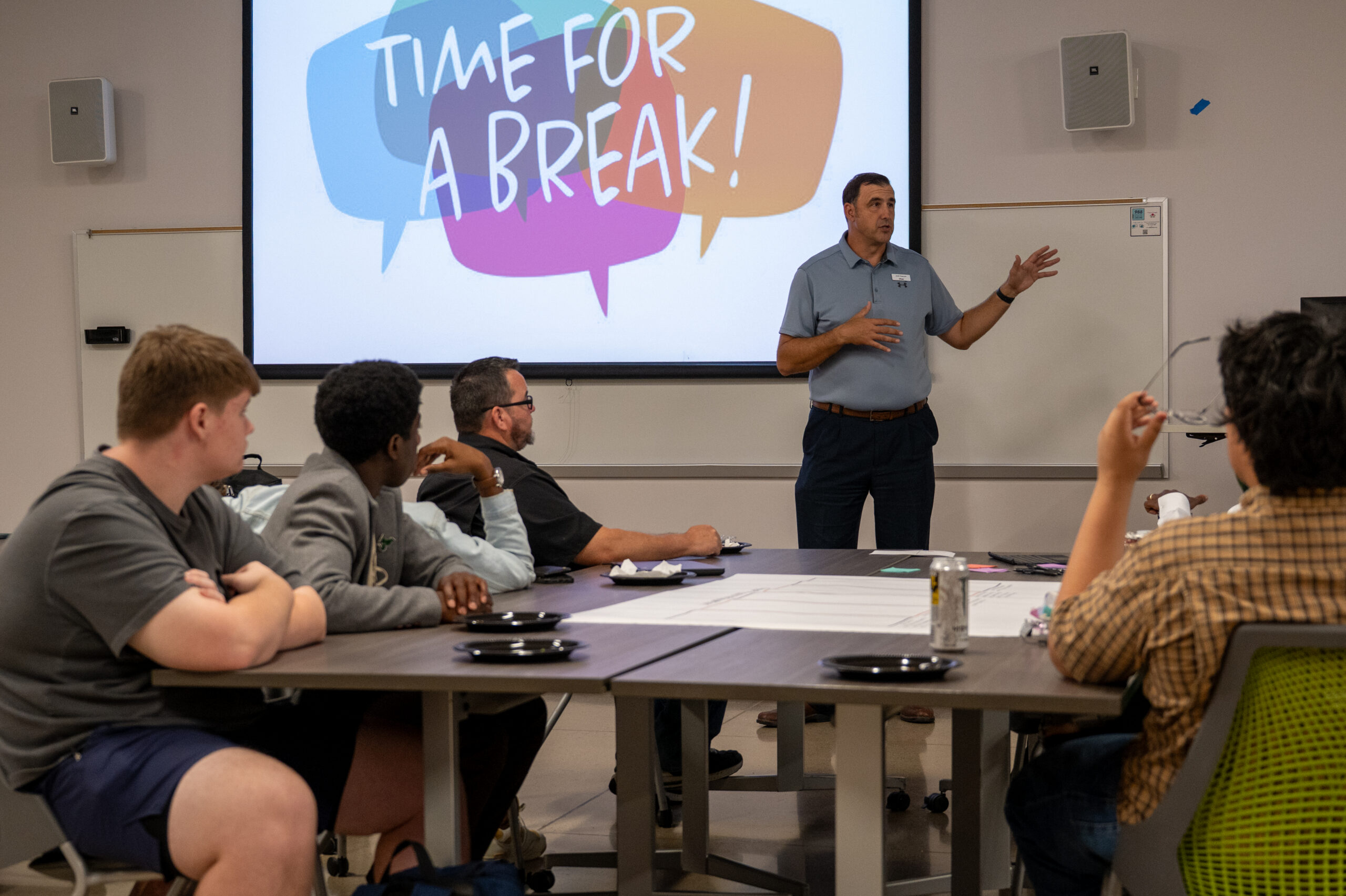
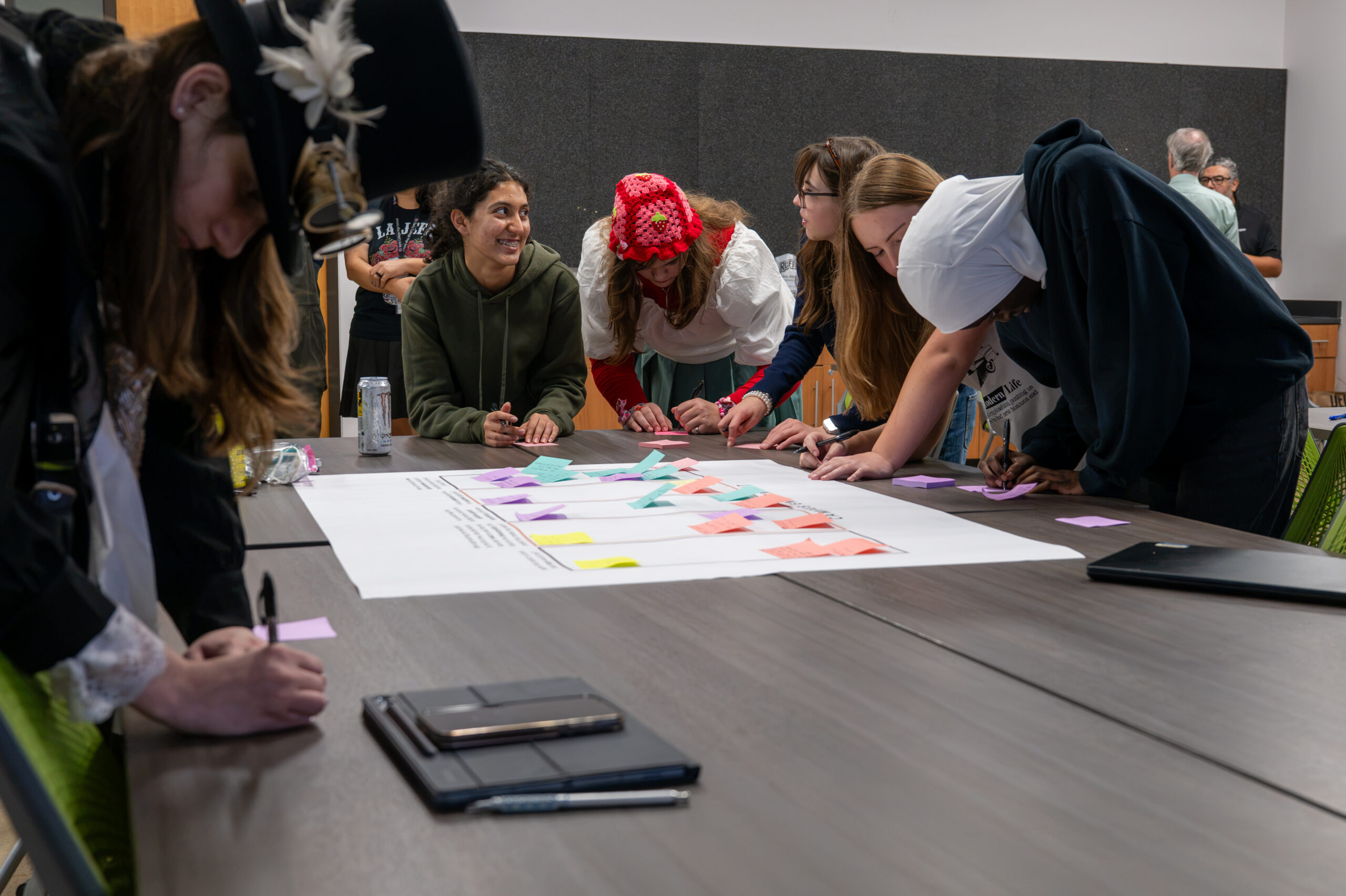
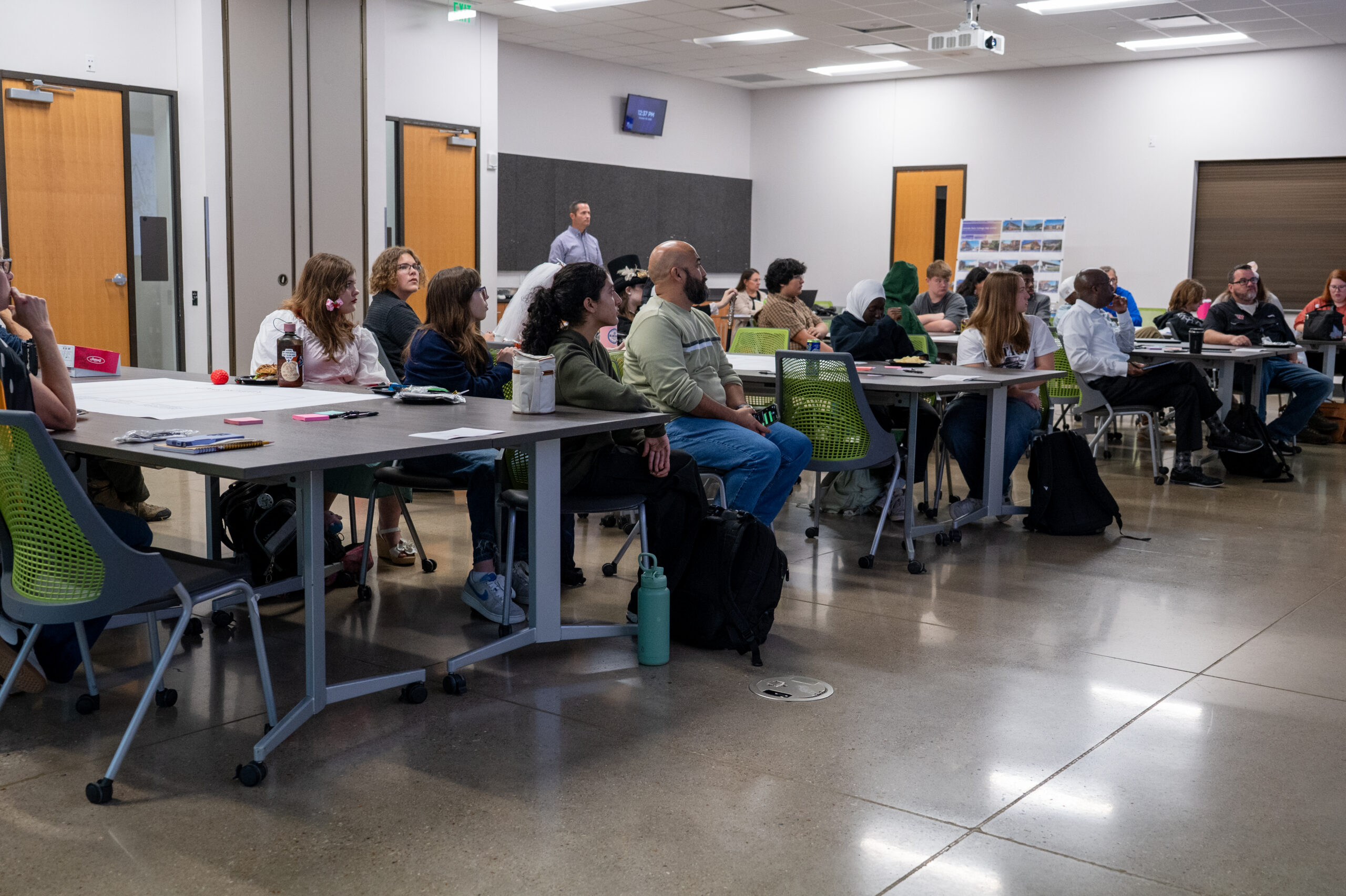
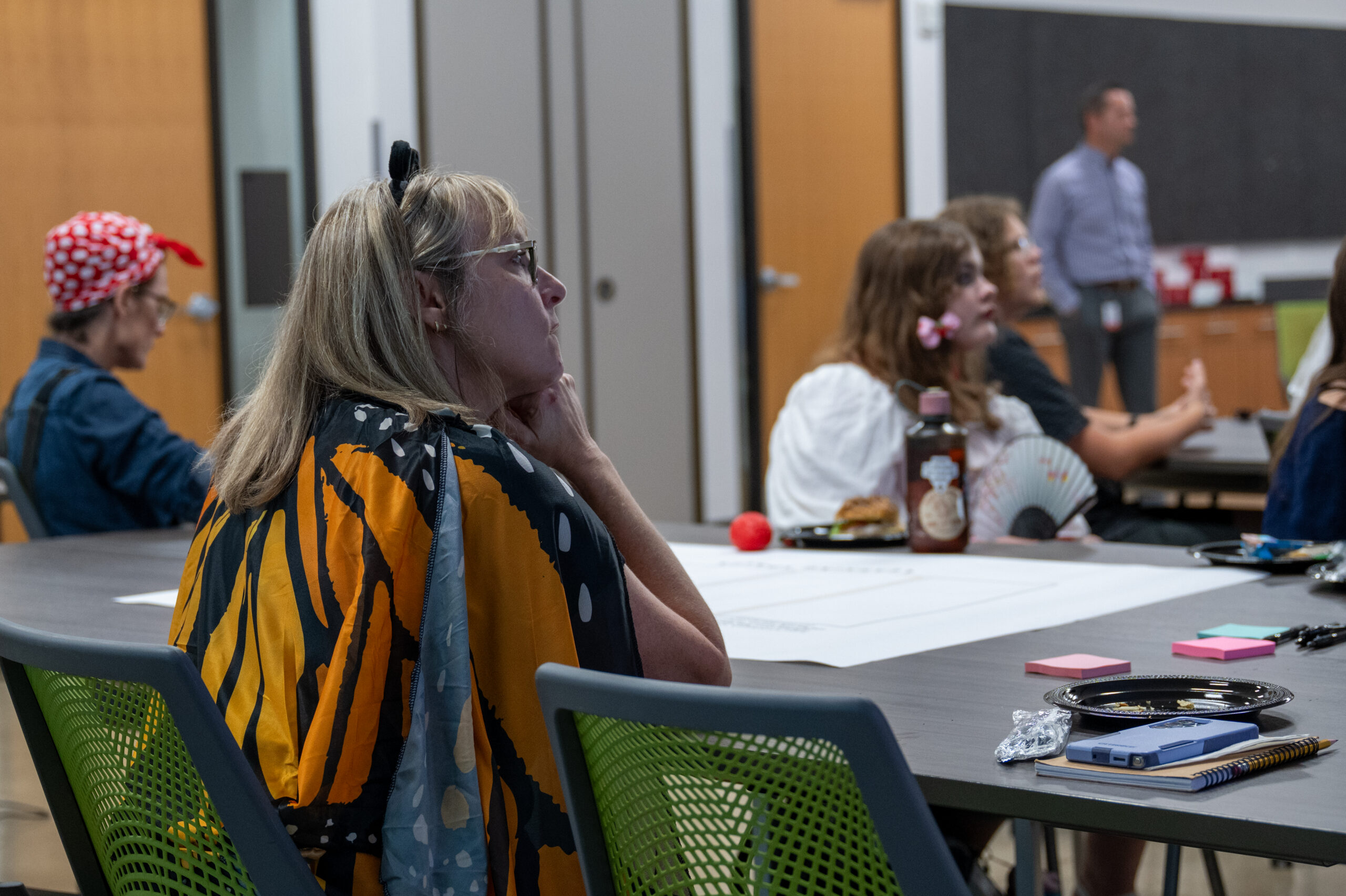
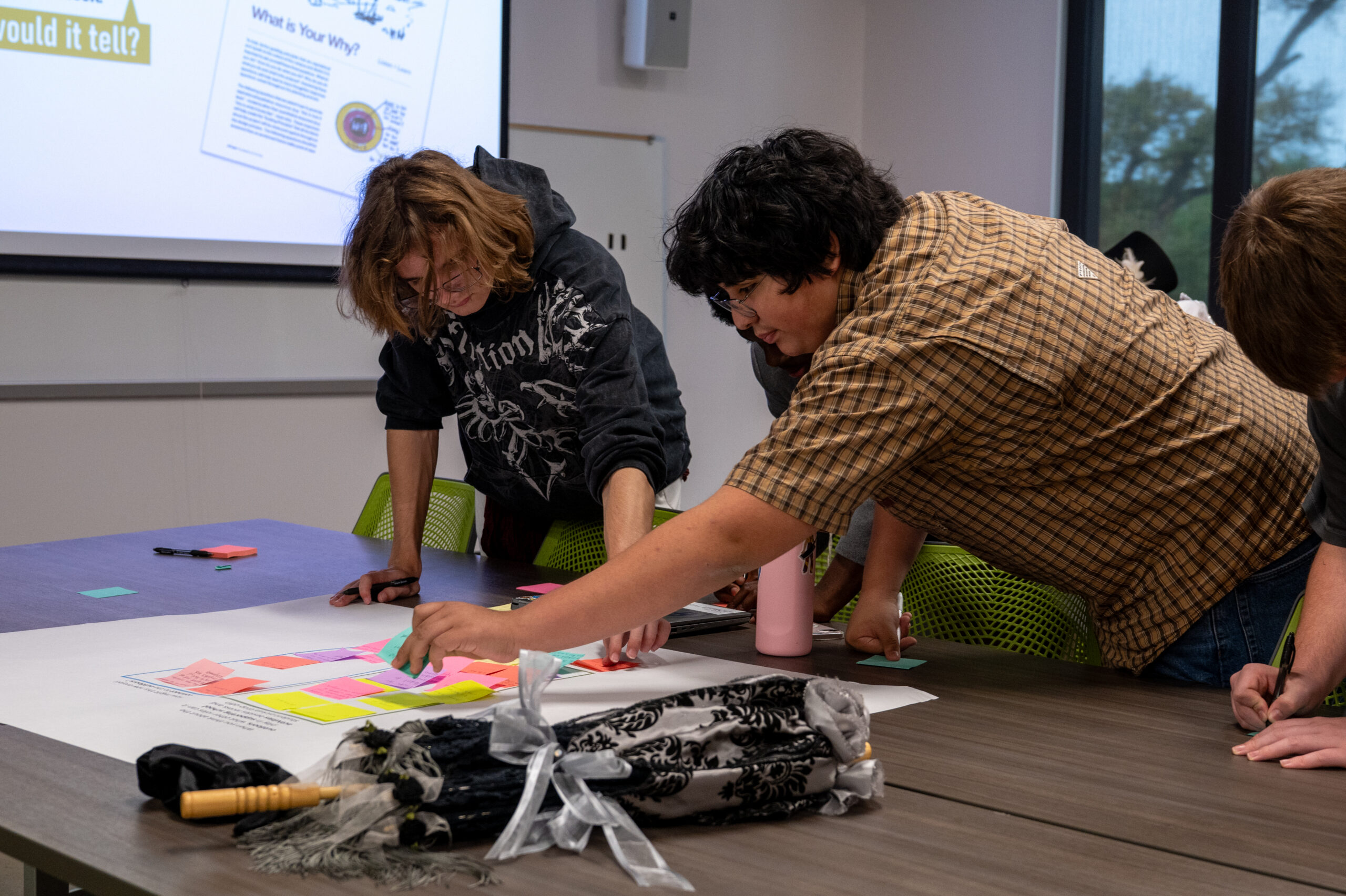
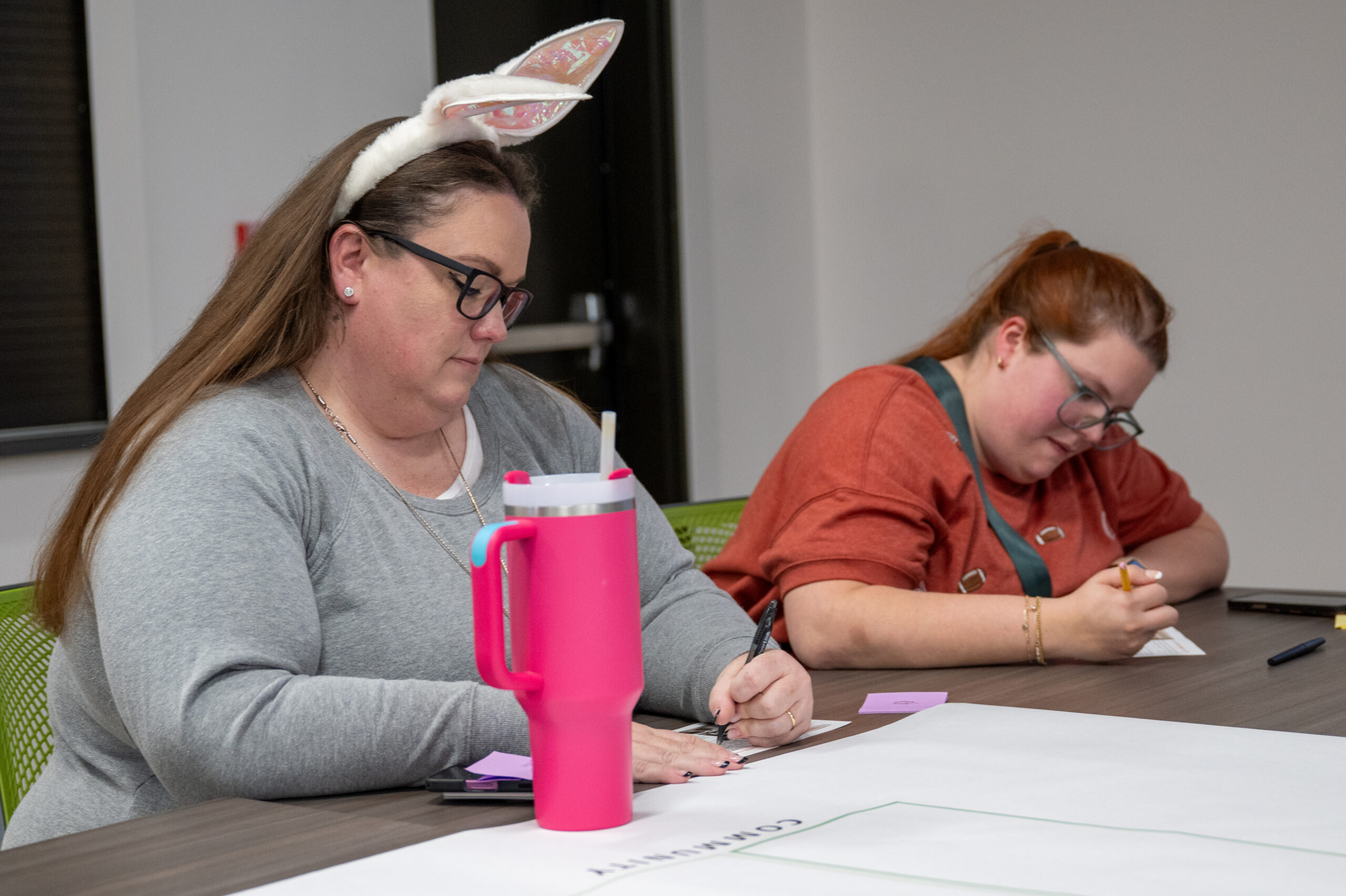
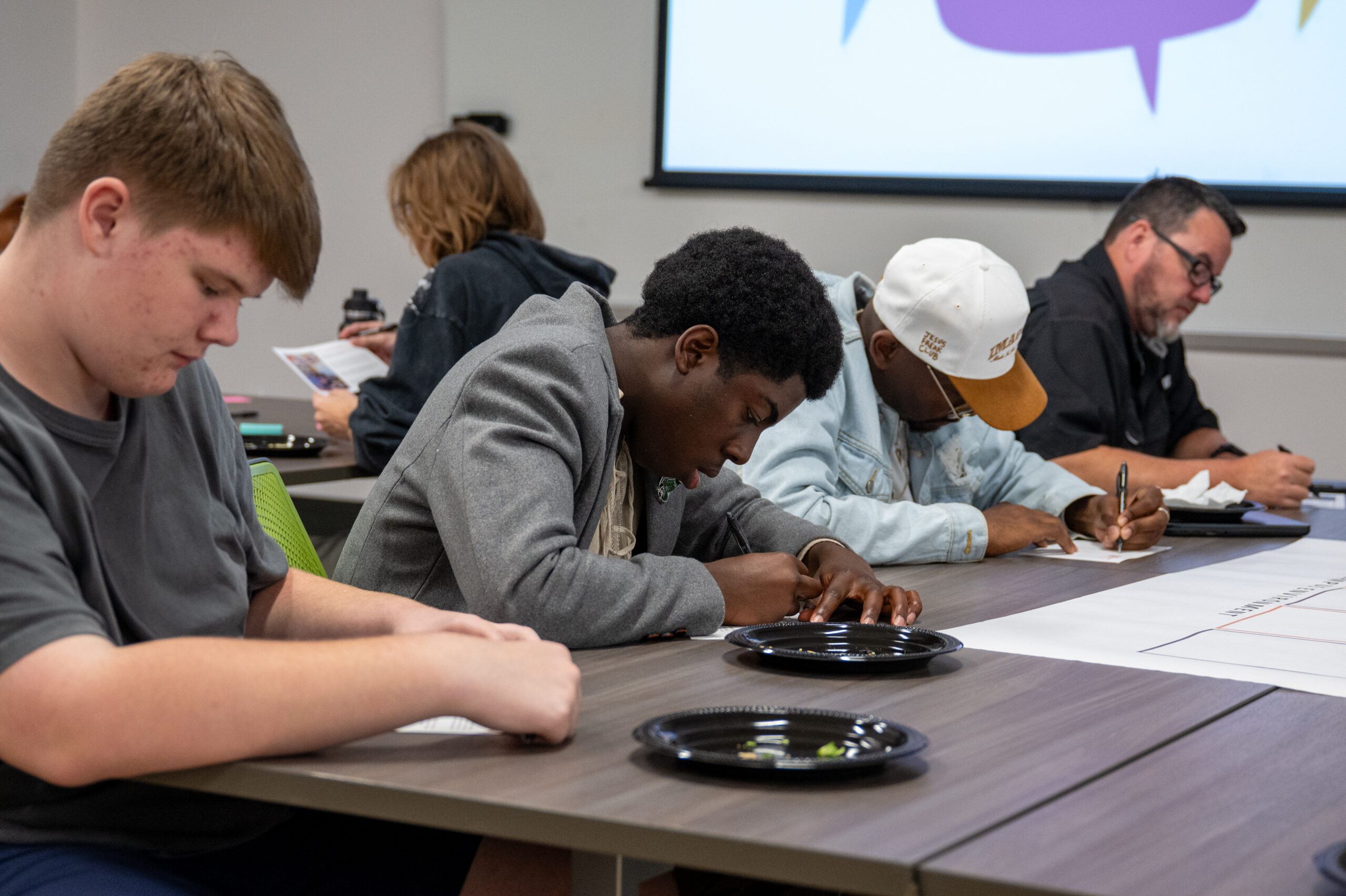
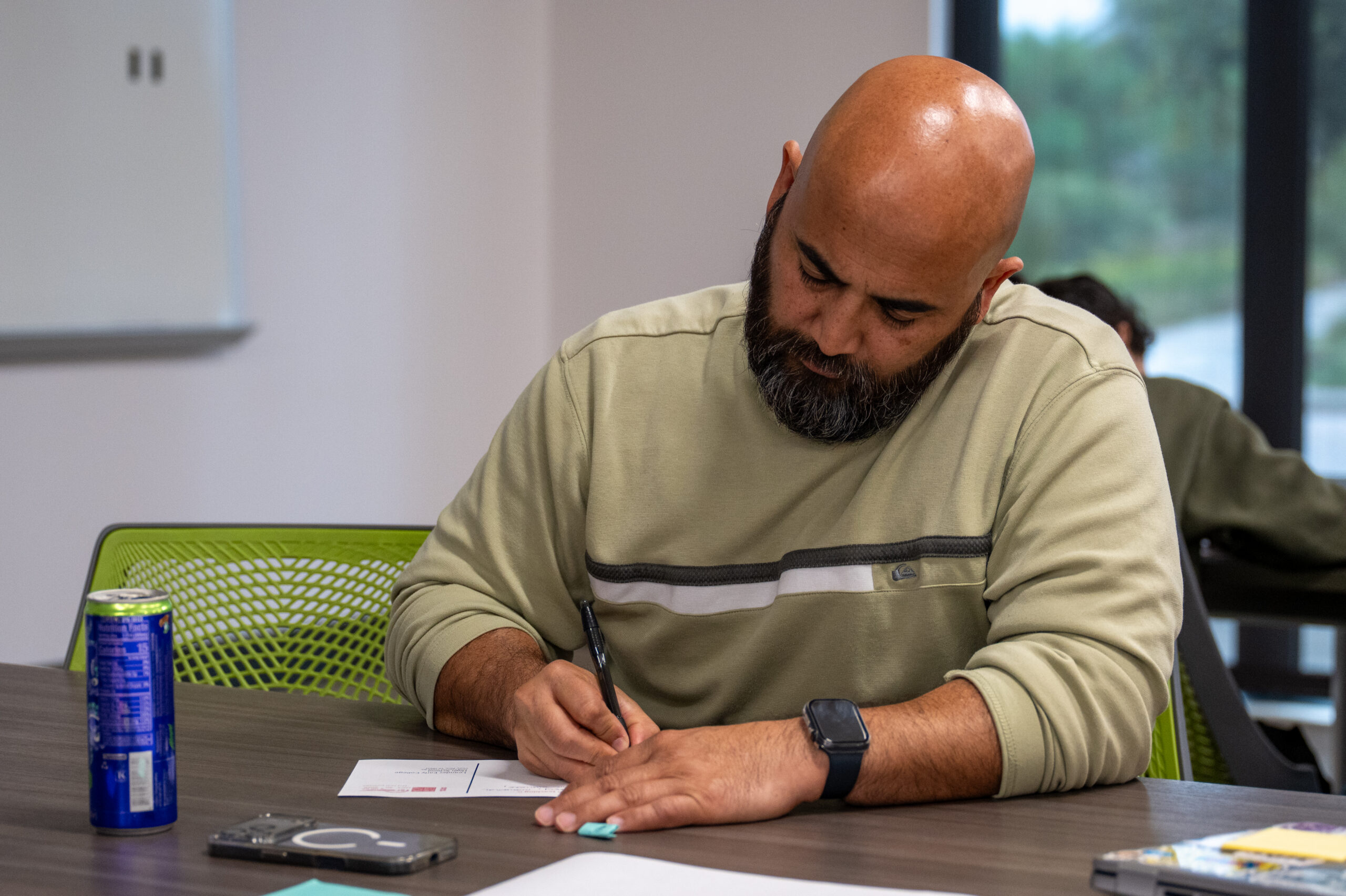
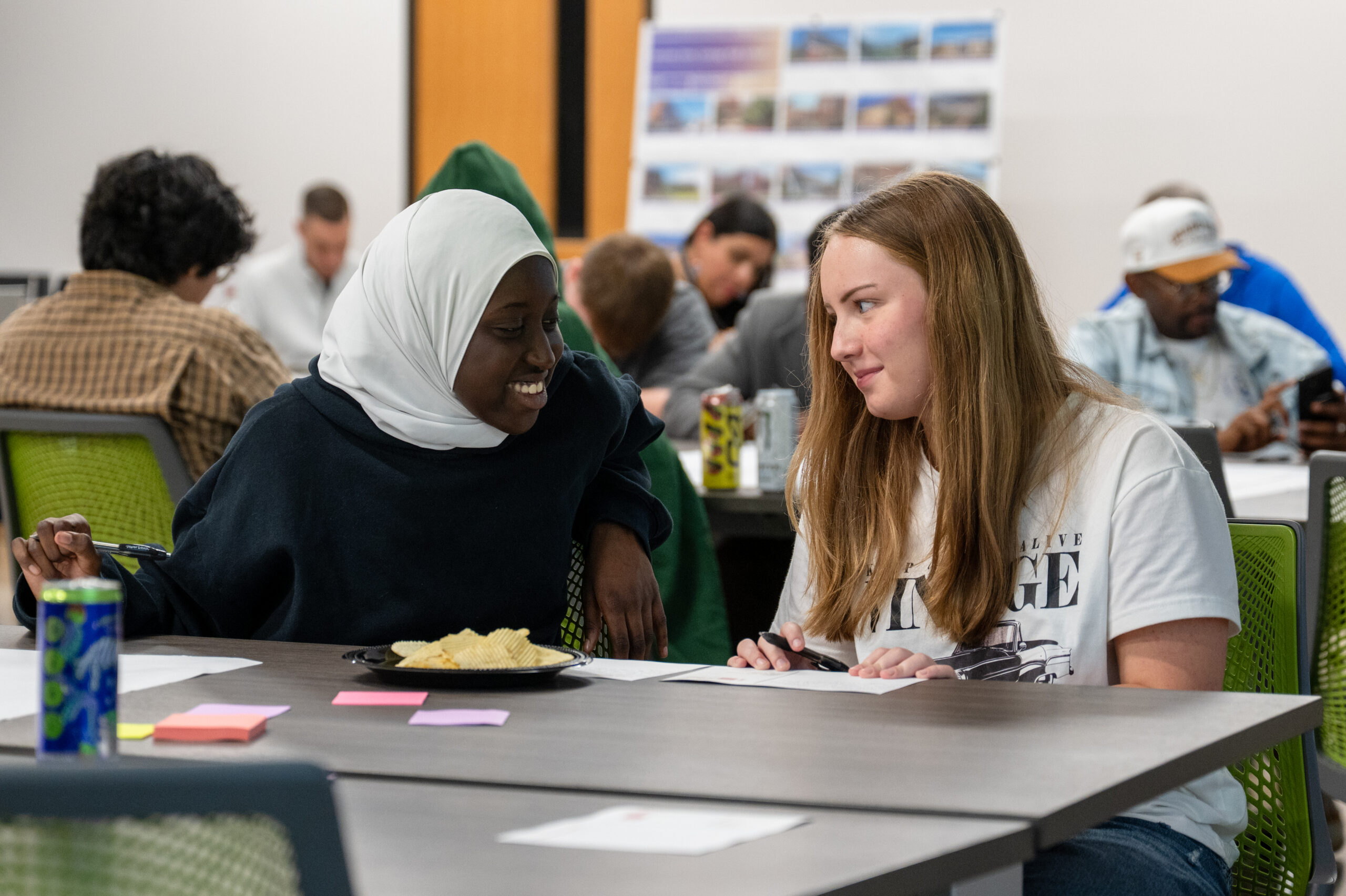
Pfluger Architects and district administrators will collaborate with a Campus Design Committee and focus group, engaging with students, families and staff to ensure the new ECHS facility and programming preserves the academic opportunities, culture and identity that make ECHS successful.
Campus Design Committee
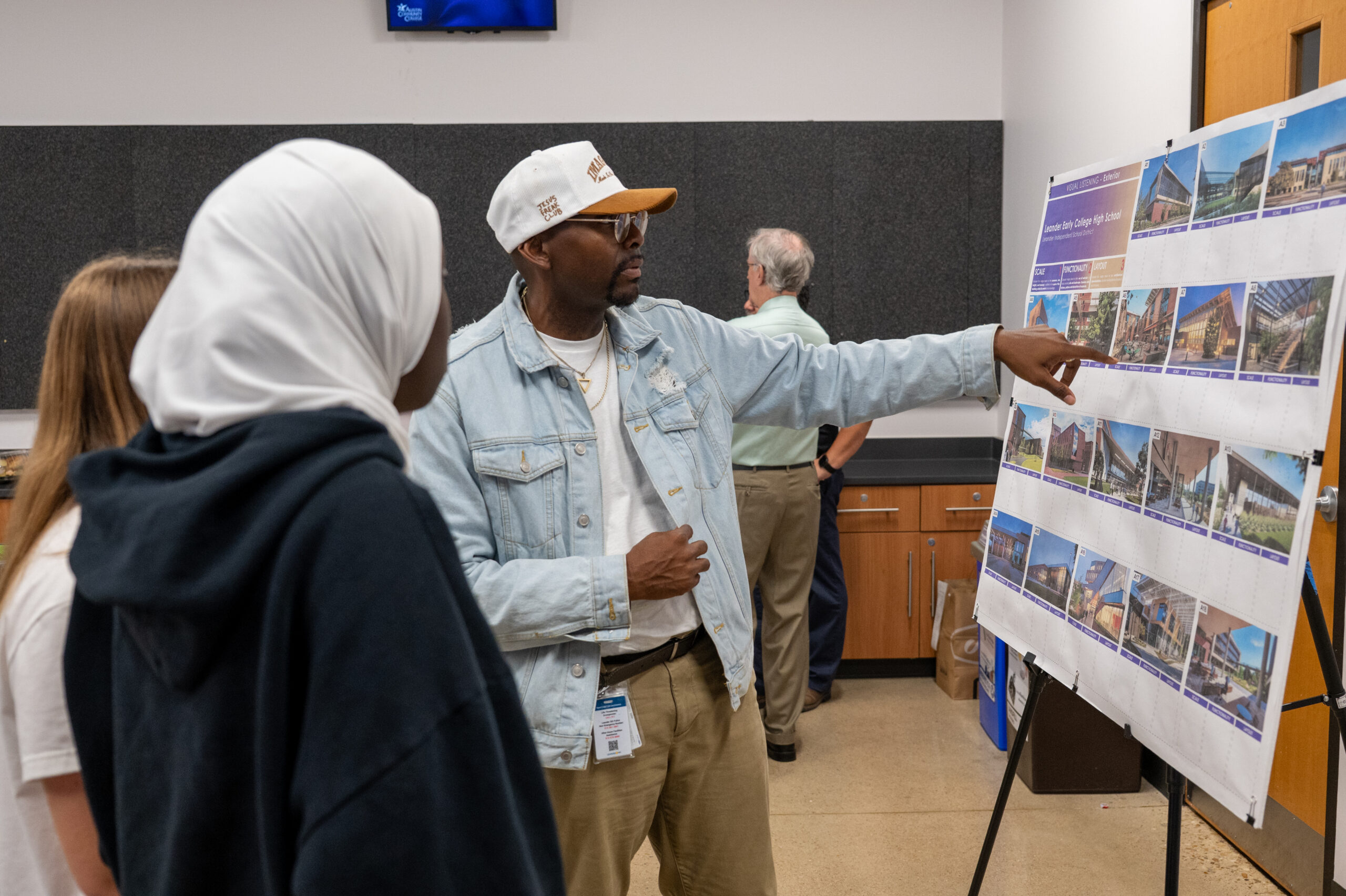
Pfluger will lead the Campus Design Committee through the design exploration process, helping the group work through discovery, ideation and concept development.
As each stage of the process is completed, the full community will be invited for a Gallery Walk to see the evolution of their work.

Upcoming Events
| Oct. 30 | CDC Meeting: Design | 12-2 p.m. |
| Nov. 13 | CDC Meeting: Ideation | 12-2 p.m. |
| Nov. 18 | Community Gallery Walk: Ideation | 5 p.m. |
| Dec. 4 | CDC Meeting: Concept | 12-2 p.m. |
| Dec. 16 | Community Gallery Walk: Concept | 5 p.m. |
Focus Group
A parent focus group, facilitated by Dustin Binnicker, Leander ISD Assistant Superintendent of Student Pathways and Outcomes, will provide targeted input around programming, scheduling and gather more specific parent input as the work develops. We will share more details soon.
New Academic Opportunities
The new facility will not only provide a space designed for ECHS students, it will also create new academic opportunities as well.
- The Faubion site’s proximity to ACC’s Cypress Creek campus gives students additional opportunities for college collaboration, shared resources and authentic higher-education experiences. Specific opportunities, including the potential for a broader range of college-level course offerings, will be further explored and refined through continued planning and coordination with ACC.
- Co-locating allows ECHS and New Hope to share appropriate resources. The central location also makes the program more broadly accessible for students across the district.
Potential Project Timeline
Frequently Asked Questions
Which location is under review, and what decisions remain pending?
At this point, the former Faubion site represents the most practical and sustainable path the district has available to explore for the program, as shared with the Board. The district is evaluating a purpose-built ECHS environment and the instructional and operational arrangements needed to support it. The design, ACC service arrangements, and transition plan are not yet finalized.
How will students retain access to ACC courses, professors, tutoring, the library, advising, and college life?
ACC access remains central to the planning. The district and ACC are exploring courses, faculty, learning resources, advising, college-campus experiences, and potential opportunities at the ACC Cypress Creek Campus. These arrangements are not yet confirmed, including how access would compare with today’s walkable connection.
How will transportation and scheduling protect study time, access to help, and activities?
Planning must account for students’ full day, including travel from home, boarding and waiting, movement between campuses, college classes, tutorials, and activities. Routes, schedules, and travel times are not yet confirmed.
How will ECHS remain distinct from a comprehensive high school offering dual credit?
Planning should preserve ECHS’s small-school community, relationships, college-focused experience, and student supports. This includes course sequences, advising, AVID, student independence, and a strong ACC connection. A dedicated facility can support that identity, but the program and student experience remain essential.
Can current ninth-grade students finish at San Gabriel, and what is the transition timeline?
The district understands families’ desire for continuity. Keeping a cohort at San Gabriel, retaining limited staffing, or using another delivery arrangement would require ACC to evaluate space, courses, supervision, staffing, scheduling, and cost. At this time, the district has not finalized options specific to each cohort, but it will confirm those arrangements and a final move date before presenting them as settled.
Why consider Faubion and co-location with New Hope High School, and what savings are expected?
The district is evaluating whether Faubion offers a sustainable long-term solution that aligns with educational program needs, facility utilization, operational considerations, and financial constraints. While potential cost efficiencies are one factor, the decision is not solely savings-driven; it must also consider long-term sustainability and the effective use of existing district facilities. Board direction in September and December 2025 called for considering program co-location at existing district facilities, with ECHS and New Hope High School among the options currently under consideration. The proposed location would also align with TEA’s Early College High School requirements, with ECHS operating as a standalone high school campus.
Have private funding, remaining at ACC, portables, relocation to Cedar Park High School or another comprehensive high school campus been considered?
Community suggestions include private or corporate funding, construction at ACC, continued use of portables, and a comprehensive-campus location. At this point, the former Faubion site represents the most practical and sustainable path the district has available to explore for the program, and available space at Cedar Park High School does not support relocating ECHS there.
What could a purpose-built facility offer while preserving college access?
Feedback identifies science labs, improved HVAC and restrooms, cafeteria access, gathering areas, safety features, and spaces for independent study and collaboration. These are design considerations, rather than confirmed commitments. Planning must balance these opportunities with the ACC access students value.
How will students, staff, and parents participate and receive updates?
Student and staff engagement is being coordinated with Pfluger, the project architect, through design committee meetings. Parents will have opportunities to provide input through a programming focus group and community design gallery walks. A dedicated ECHS webpage will serve as the primary source for project information, including FAQs, event updates, meeting summaries, outcomes, and next steps. Details about engagement opportunities and project progress will be shared through the webpage as planning progresses.
How will students access ACC testing arrangements and individual supports outside scheduled classes?
The operating plan must address these services through coordination with ACC and individual families. Workable access arrangements still need to be established.